

(Feature Impact) Protein has long dominated nutrient: fiber.
One whole grain quietly gaining recognition for its impressive research has shown can contribute to healthy body weight and improved insulin resistance.
Unlike many refined gluten-free products that are lower in fiber, sorghum delivers the benefits of a whole grain while remaining naturally gluten-free. Whether you have celiac disease, gluten sensitivity or simply want to enjoy a wider variety of whole grains, sorghum is an easy addition to your menu.
Another reason nutrition experts are taking a closer look at sorghum is its antioxidant content, specifically its health-promoting polyphenols.
Perhaps the biggest surprise is how easy sorghum is to cook with. Whole-grain sorghum offers a mild, slightly nutty flavor and pleasantly chewy texture, making it a delicious alternative for brown rice, quinoa or farro in grain bowls, soups and salads.
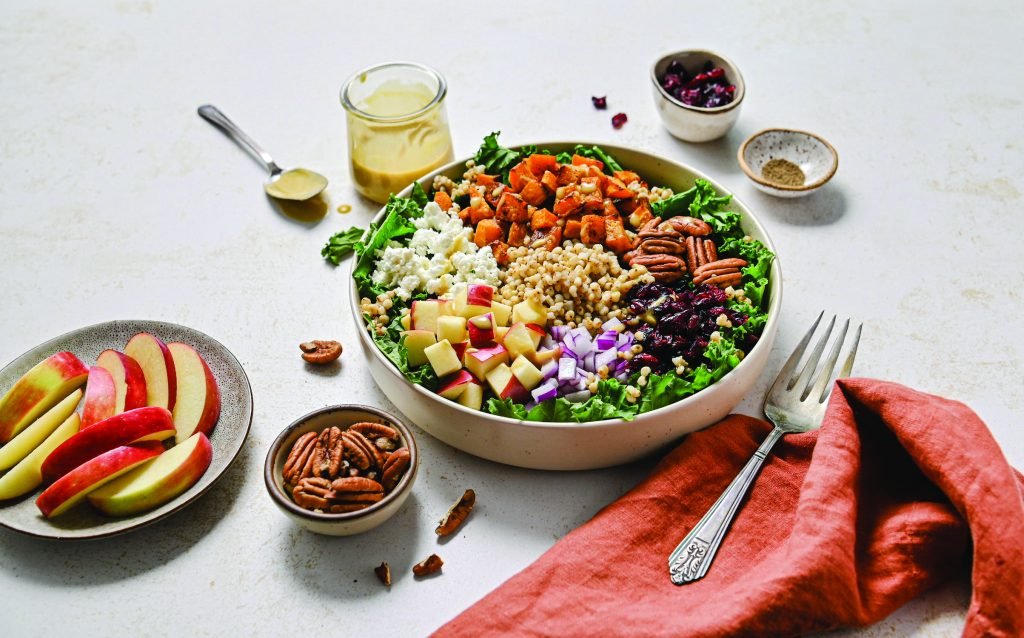
Pearled sorghum cooks faster, making it ideal for busy weeknights. Sorghum flour can replace wheat flour in pancakes, muffins and quick breads, while popped sorghum creates bite-sized crunchy kernels for a fun snack or topping for yogurt, soups and salads. For example, this Sorghum Fall Harvest Salad makes it easy to add more fiber to your plate, pairing whole-grain sorghum with seasonal produce like kale, butternut squash and apples.
Healthy eating doesn’t have to mean following the latest trend. Sometimes it simply means rediscovering nutritious foods that have stood the test of time. With its combination of fiber, protein, antioxidants and naturally gluten-free, whole-grain goodness, sorghum is an ancient grain worth adding to your pantry.
You can find dozens of recipes, cooking tips and meal ideas at SorghumCheckoff.com/recipes.
Easy sorghum swaps for everyday dishes
If you’re looking for ways to add more sorghum to your meals, these easy swaps make it simple to enjoy this versatile grain in recipes you already love.
• Replace rice. Use cooked whole-grain or pearled sorghum instead of white or brown rice in grain bowls, stir fries, burrito bowls and side dishes.
• Swap for pasta. Stir cooked sorghum into pasta salads or use it in place of small pasta shapes in soups for a hearty twist.
• Mix into salads. Add cooked sorghum to green salads, grain salads or vegetable salads for extra texture and whole-grain nutrition.
• Boost your breakfast. Stir cooked sorghum into oatmeal, yogurt parfaits or breakfast bowls then top with fruit, nuts or cinnamon.
• Bake with sorghum flour. Replace wheat flour in pancakes, muffins, cookies, waffles or quick breads with sorghum flour for a mild, slightly sweet flavor.
Recipe courtesy of Sorghum Checkoff
1 cup roasted butternut squash, cubed
1/4 cup olive oil, plus additional for drizzling, divided
2 tablespoons apple cider vinegar
1 cup cooked whole-grain sorghum
Preheat oven to 400 F. Toss cubed butternut squash with a drizzle of olive oil and salt and pepper, to taste. Spread on a baking sheet and roast for 20 to 25 minutes, flipping halfway, until tender and golden. In a jar or small bowl, whisk 1/4 cup olive oil, apple cider vinegar, sorghum syrup, Dijon mustard and salt and pepper, to taste, until emulsified. Add chopped kale to a large bowl. Massage with a drizzle of olive oil ,1 to 2 minutes until tender. Arrange precooked sorghum, roasted squash, apple, pecans, dried cranberries, red onion and feta cheese on top of kale. Drizzle with sorghum syrup dressing just before serving. Toss lightly to combine or serve dressing on the side.
