

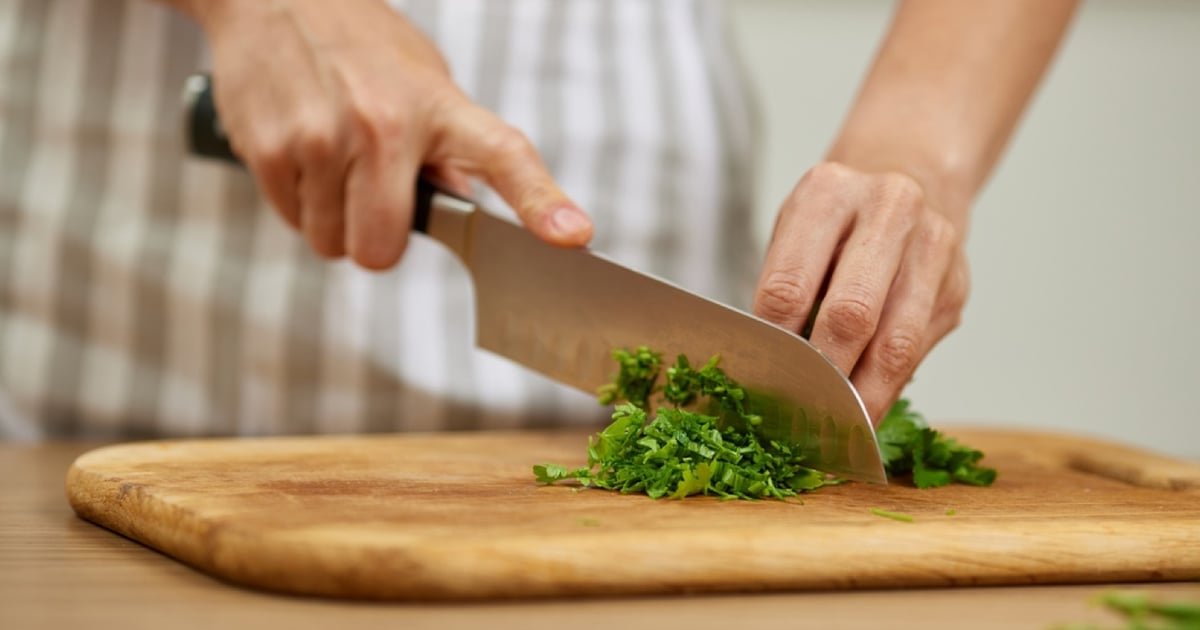
During the training, participants learned different Culinary Intensive.
Participants spent three days learning different <a I think in just day one, we have probably seven or eight ideas that we're already looking to implement," said Ashley Schneider, director of food & nutrition at Moorhead Area Public Schools in Minnesota. "The beautiful thing is we have some ideas we want to implement tomorrow, and others we are already working on for next year. We have so many amazing ideas to take home. And that was just from day one."
Attendees also created their own roadmap to replace ultra-processed foods on their menu with scratch-cooked recipes that use whole ingredients. They will continue to receive additional virtual support from the Chef Ann Foundation throughout the next year to help them as they turn their roadmap into reality.
The training was funded through the nonprofit’s Catalytic Fund, which supports initiatives aimed at increasing scratch-cooking in schools.
“When you bring school food teams together from 25 school districts to cook in real kitchens, real change happens,” said Brandy Dreibelbis, Chef Ann Foundation’s managing director of East Coast operations. “Three days of hands-on training sparked major momentum, and a full year of ongoing support will turn that energy into students.”
The training comes at a time when school meals arebeing scrutinized by the Trump administrationfor their use of ultra-processed foods (UPFs). The U.S. Department of Agriculture (USDA) is also getting ready to update its school meal pattern requirements, which could include restrictions on the amount of UPFs allowed in school meals.
A report released earlier this year by the School Nutrition Association (SNA)found that many school nutrition operators do not have the rethe report, which included responses from 1,240 school meal program directors across the nation, 93% of respondents cited the need for more staff, culinary training, equipment, and infrastructure to reduce their reliance on UPFs
