


Catster is reader-supported. When you buyo cost to you.
Learn more
How Does It Work?Types of CarrageenanWhere Is It Used?AdvantagesDisadvantagesFrequently Asked Questions
If you’re a cat owner who likes to read pet food labels, you’ll probably come across some ingredients you don’t recognize. Since you don’t want to feed your cat anything toxic or unsafe, your next step is to Carrageenan is a food additive extracted from red seaweed. It serves multiple purposes in pet and human food, including as a thickener, binding agent, gelling agent, and stabilizer. Essentially, it helps hold wet pet food together, adds bulk, and serves as a Unlike some other gums, carrageenan isn’t really broken down by gut bacteria, so most of it passes through the body intact. Carrageenan is available in “food-grade” or undegraded form. It is also found in a semi-refined form primarily for use in pet food. The difference between the types of carrageenan lies in how they’re manufactured. These types of carrageenan are approved for use as food additives in the United States1 and Europe2. Another type of carrageenan, degraded, is not approved for use in food. It’s known to cause inflammation and is classified as a possible carcinogen. In human food, carrageenan is common in dairy products like yogurt, cottage cheese, and ice cream. Because it serves a similar function to gelatin made from animal products, carrageenan is often found in vegan and vegetarian non-dairy milk. Deli meats and similar items also contain carrageenan. In cat food, carrageenan is found almost exclusively in canned or wet diets. Dry kibble generally doesn’t contain this ingredient. If you’re concerned about carrageenan in your cat’s food, you’re not alone. Many pet owners prefer to avoid this ingredient, opting for carrageenan-free options. The good news is that several cat food brands have carrageenan-free options. These foods often feature limited ingredient recipes, natural preservatives, or alternative thickeners. Here are three examples of carrageenan-free cat foods: Always ask a vet before switching to a new brand. When a vet gives you the thumbs up, introduce the food gradually to avoid upsetting your cat’s digestive system. Reading labels is one of the easiest ways to identify whether your cat’s food contains carrageenan. Look closely at the ingredients list—this is where manufacturers are required to disclose all components. On US cat food labels, carrageenan must be listed outright as “carrageenan,” so it can’t hide behind vague terms like “vegetable gum.” It shows up most often in wet or canned cat foods. If carrageenan isn’t present, brands may use alternatives like guar gum, xanthan gum, or locust bean gum. These are generally considered safer thickeners. However, it is important to note that these gums are added to cat food primarily as thickening agents, not as nutritional ingredients, so they don’t provide any significant benefit to a cat’s diet. Moreover, cats with a history of gastrointestinal sensitivity, allergies, or inflammatory bowel disease may react adversely to these ingredients, even in small amounts. This is why it is very important to know what is in your cat’s food. Some pet food brands proudly advertise “No Carrageenan” on their labels. However, it’s still a good idea to verify this by reviewing the full list of ingredients. Premium brands often emphasize natural or limited-ingredient diets, which are less likely to include controversial additives like carrageenan. Carrageenan is an inexpensive way to give canned cat food bulk and hold it together. As we mentioned, it also contributes to the fiber content of the food. This fiber adds bulk, although most of it passes through undigested. In human food, carrageenan is a plant-based alternative to gelatin that is useful in vegan and vegetarian food How Does It Work?

What Are the Different Types of Carrageenan?
Where Is It Used?

Cat Foods Without Carrageenan
How to Recognize Carrageenan on Cat Food Labels
1. Check for “Carrageenan” by Name
2. Watch for Other Gums or Additives
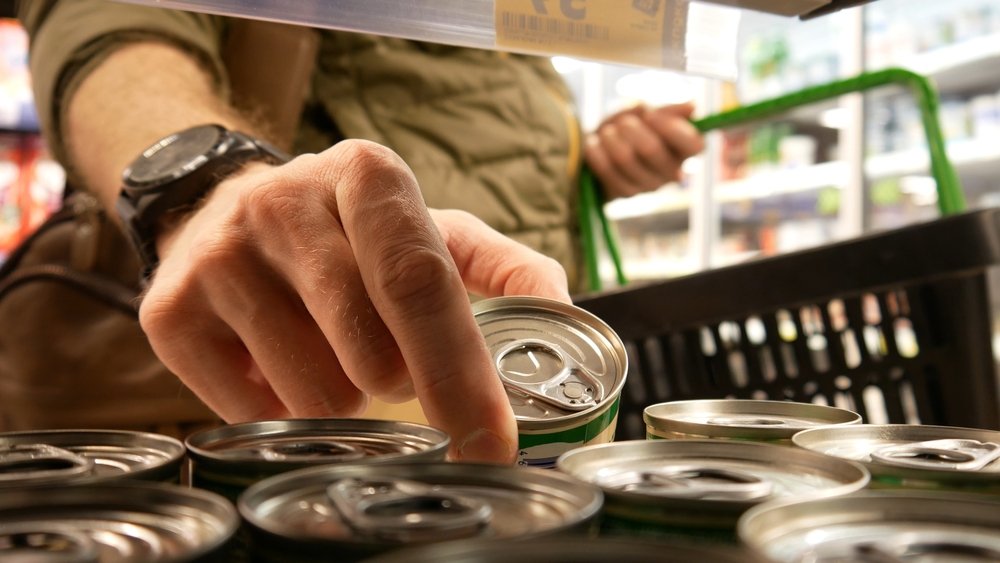
3. Look for Claims on the Packaging
4. Examine the
Advantages of Carrageenan
Disadvantages of Carrageenan
