

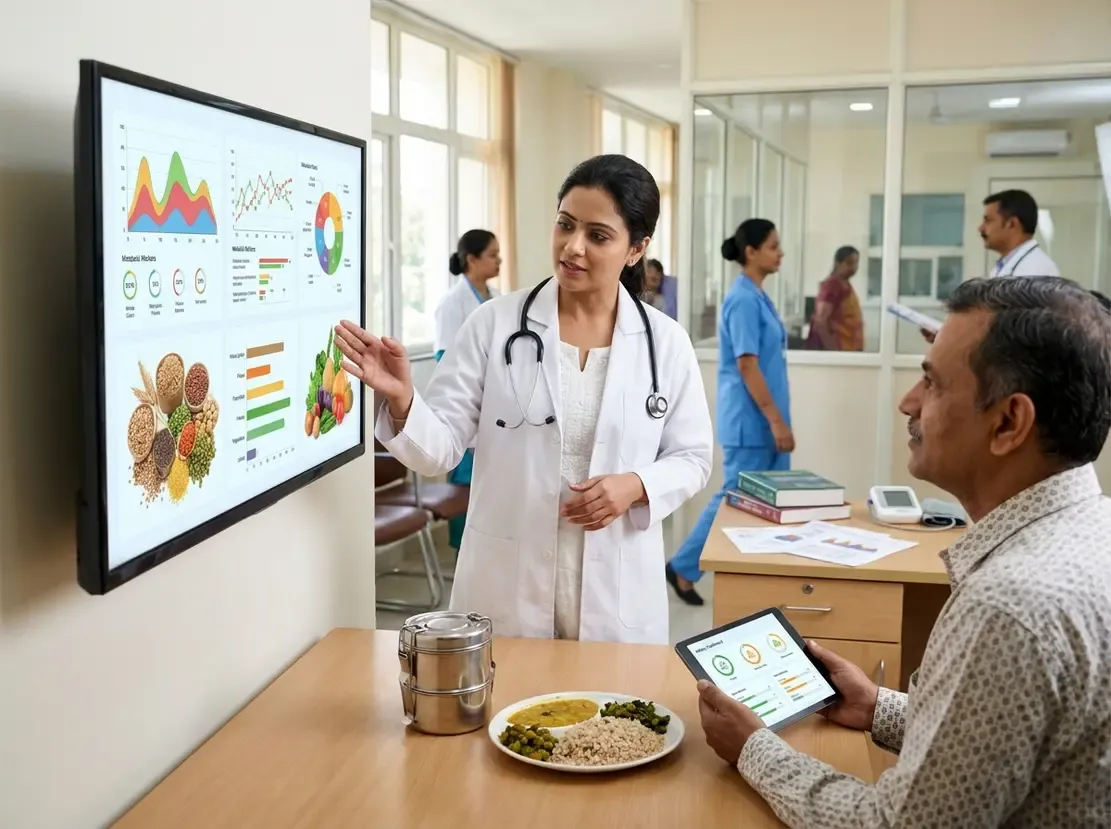
The integration of modern technology into lifestyle management has accelerated the adoption of AI-driven nutrition across India. In fact, healthcare practitioners now observe patients frequently turning to algorithmic mobile applications to track meals and count calories. However, digital meal logging alone cannot resolve the complex cardiometabolic challenges prevalent across diverse Indian demographics. Therefore, medical experts emphasize that computational dietary interventions must unite scientific validation with regional international algorithms fail to recognize these culinary heritage. This emerging discipline examines recipes, spice pairings, and molecular flavors through artificial intelligence. In addition, computational modeling helps researchers optimize nutrient retention during traditional food preparation. However, newly formulated recipes require rigorous clinical verification before medical professionals can recommend them to vulnerable patients. Moreover, public health experts emphasize the importance of breaking clinical data silos. Dr. Mona Duggal of the ICMR National Institute for Research in Digital Health stresses the need to merge public and private data streams. Consequently, unified databases can empower scalable, population-specific interventions for both rural and urban centers.
Why Clinical Dietitians Remain Indispensable
Although automated algorithms offer convenience, they cannot replace comprehensive clinical assessments. Ruchika Jain from Fortis Vasant Kunj underscores that software often overlooks patient comorbidities, drug-nutrient interactions, and socioeconomic realities. Consequently, automated platforms risk spreading nutritional misinformation if individuals use them without clinical oversight. Physicians and dietitians must continue assessing objective biomarkers, renal safety, and lifestyle adherence in tandem with digital logs. Furthermore, the packaged food industry plays a critical role in consumer health. Shilpa Wadhwa of Nestlé India highlights that food reformulation requires sound evidence and responsible communication. Ultimately, technological innovation must reinforce, rather than replace, clinical judgment inmedical nutrition therapy.
Frequently Asked Questions
Q1: How can AI enhance nutritional management for Indian patients?
AI helps identify early cardiometabolic risks by evaluating longitudinal dietary patterns and biomarker trends. However, algorithms must incorporate regional food composition tables to deliver culturally accurate clinical recommendations.
Q2: Why should clinicians caution patients against protein obsession?
Commercial diet programs often overemphasize single macronutrients like protein at the expense of overall nutritional balance. Therefore, clinicians advocate a food-first strategy to protect metabolic balance and maintain renal safety.
Q3: Can digital nutrition tools replace professional dietitians?
No, digital tools cannot substitute for registered dietitians or clinical specialists. Professional assessment remains indispensable to tailor medical nutrition therapy, interpret lab reports, and avoid dietary misinformation.
References
- AI-driven nutrition must combine cultural relevance with scientific validation:Experts – ETHealthworld
- Indian Council of Medical Research (ICMR). Ethical Guidelines for Application of Artificial Intelligence in Biomedical Research and Healthcare, 2023.
- Bagler G, Goel M. Computational gastronomy: A data science approach to food. Journal of Biosciences, 2022;47:12.
- World Health Organization. Artificial Intelligence in Dietary Assessment and Nutritional Interventions: Current Evidence and Challenges, 2024.
