

October 14, 2026
ByJulie Corliss,
Executive Editor, Harvard Heart Letter
- Reviewed byHoward E. LeWine, MD,
Chief Medical Editor, Harvard Health Publishing; Editorial Advisory Board Member, Harvard Health Publishing
Plant-based diets have taken root in American culture in recent years, mostly thanks to the growing realization about the health benefits of this eating pattern. But contrary to what some people think, plant-based doesn’t necessarily mean you must forego all animal products. Rather, you might just eat meat or dairy products less frequently, or in smaller portions.
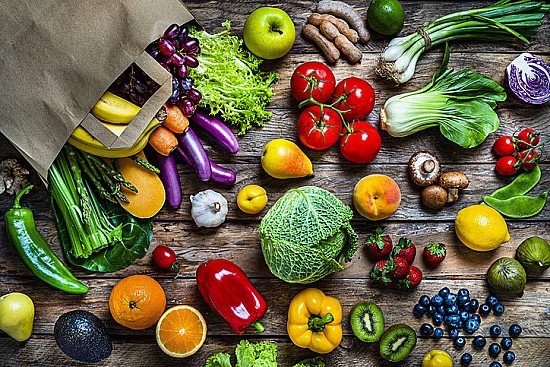
To replace those lost calories, you should eat more beans and legumes, vegetables, whole grains, and fruits. These mostly low-fat, nutrient-rich foods have been linked to improvements in many health-related issues, including high blood pressure, diabetes, and heart disease.
Better for your budget and the planet
A plant-forward diet also can help reduce your food budget. And there’s yet another reason to feel good about this eating pattern: it helps preserve our planet’s health. A diet that contains only small amounts of animal foods requires a fraction of resources such as water, energy, and land to cultivate, and it generates fewer greenhouse gases. What’s more, by eating unprocessed or minimally processed foods, you avoid the additional energy and <a >
